Common Cyber Scams in 2026 – And How to Protect Yourself

Common Cyber Scams in 2026 - And How to Protect Yourself

Cyber threats are no longer just a concern for large corporations. Whether you’re a home user with a laptop full of family photos or a small business processing payments, the risks are real, growing, and largely preventable.

We’ve all heard the expression about the horse and the stable door. You leave the door open, the horse bolts, and only then do you try to secure the latch. In IT security, the same thing happens every day. People only think about protecting themselves after something has gone badly wrong. By that point, the damage is done: money has been transferred to fraudsters, files have been encrypted by ransomware, or years of precious memories have simply vanished.

At PC Man, we see it regularly. A client calls in a panic because their email account has been hijacked, a business rings us because their accounts team has unwittingly transferred thousands of pounds to a criminal, or a family is heartbroken because their laptop has died, taking a decade of irreplaceable photographs with it. These situations are distressing, expensive and, in many cases, entirely avoidable.

This post is your honest guide to understanding what’s really out there, what good practice looks like day-to-day, and how we can help you stay secure before the horse even looks at the door.


The Cyber Scams Doing the Rounds Right Now

Fraudsters are sophisticated, patient and convincing. Here are the most common cyber scams we’re seeing affecting our clients at the moment, home users and businesses alike.

Email Address Spoofing & Invoice Fraud

A criminal registers a domain that looks almost identical to a legitimate supplier’s. For example, swapping an ‘m’ for ‘rn’, or adding a subtle hyphen. They then send convincing emails to your accounts team requesting a bank transfer, often referencing a real invoice or project. Tens of thousands of pounds can be lost before anyone realises. Always verify payment requests by phone using a number you already have on record, never one provided in the suspicious email itself.

The “Microsoft” Phone Call

A caller claims to be from Microsoft (or BT, or your broadband provider) and tells you your computer is sending error reports, has been hacked, or is about to be shut down. They ask you to download remote access software so they can “fix” it. The moment you do, they have full control of your machine. Microsoft will never call you out of the blue. Simply hang up.

Learn more about the Microsoft scam.

Phishing & Smishing

Emails and text messages impersonating HMRC, Royal Mail, your bank, or a delivery company are now highly polished and genuinely hard to distinguish from the real thing. The golden rule: never click links in unexpected messages. Go directly to the company’s website instead.

AI-Powered Impersonation

Criminals now use AI to clone the voice or email style of a CEO, manager or family member to request urgent wire transfers. If you receive an unexpected urgent request from someone senior, even if it sounds exactly like them, always verify through a separate, trusted channel before acting.

Ransomware

Malicious software encrypts all the files on your computer and demands payment to restore them. For businesses, this can mean days of downtime. For home users, it can mean the permanent loss of family photos and memories accumulated over the years. An up-to-date backup stored separately from your main machine is the single most effective defence.

Fake Online Shops & Auction Fraud

Too-good-to-be-true deals on electronics, fraudulent seller accounts on marketplaces, and convincing fake retail websites remain rife. If the price seems unbelievable, it usually is. Always verify the company’s registered details and pay by credit card where possible.

The Cost of Getting It Wrong

For home users, the emotional cost of a security incident can be as devastating as the financial one. That laptop might hold your wedding photos, videos of your children growing up, years of creative work, or irreplaceable scans of old family documents. Hard drives fail. Ransomware strikes. Accidents happen. Without a backup, those memories are gone forever, and no amount of money will get them back.

For businesses, the stakes are even higher. Beyond the immediate financial loss, there is reputational damage, potential regulatory exposure under GDPR if client data is compromised, and the operational cost of being unable to function while systems are recovered. The cost of prevention is always a fraction of the cost of recovery.

Good Practice Everyone Should Follow

You don’t need to be a technical expert to meaningfully reduce your risk. The following fundamentals apply to every home user and business and are the first things we check during a security audit.

Use unique passwords for every account

If one website is breached and you’ve reused that password elsewhere, criminals immediately try it on your email and banking. Use a reputable password manager; it does the remembering for you.

Enable Two-Factor Authentication (2FA) everywhere it’s offered

Even if a criminal has your password, 2FA means they still can’t get in without a second code. Enable it on email, banking and social media as a priority.

Keep software and operating systems updated.

The majority of successful attacks exploit known vulnerabilities that have already been patched. Delaying updates is leaving a known unlocked window open.

Secure your home or business network

Change the default admin password on your router, use WPA3 or WPA2 encryption, and consider a separate guest network for visitors and smart home devices.

Be sceptical of unsolicited contact

No legitimate organisation will call asking for remote access, no bank will ask for your full PIN, and no HMRC officer will demand immediate payment by gift card.

Back up your data regularly and test those backups

Follow the 3-2-1 rule: three copies, on two different media types, with one stored offsite or in the cloud.

Brief your team

For businesses, the human element remains the most exploited vulnerability. Regular, straightforward conversations with staff about what to watch for are one of the most cost-effective security investments you can make.

How PC Man Can Help

We offer a comprehensive range of services to help you get secure before something goes wrong and to recover as swiftly as possible if it does.

Prevention – Proactive Security

IT Security Audits

A thorough review of your entire IT infrastructure – passwords, firewall configuration, endpoint protection, email systems, remote access and more, with a clear action plan to close any gaps found.

Cyber Essentials Certification

We guide you through the UK Government-backed Cyber Essentials scheme, which protects against the vast majority of common attacks and can reduce your cyber insurance premiums.

WiFi Security & Installation

Properly secured, professionally installed wireless networks for home and business, including network segmentation, guest networks and whole-property coverage with no dead spots.

Secure Data Backup

We guide you through the UK Government-backed Cyber Essentials scheme, which protects against the vast majority of common attacks and can reduce your cyber insurance premiums.

Email Services & Domain Management

Proper email hosting with security features, including spam filtering and anti-spoofing records (SPF, DKIM, DMARC) that make it far harder for criminals to impersonate your domain.

Secure Remote Access & VPN

We set up properly secured remote access so your people can work safely from anywhere without exposing your network.

Recovery – After an Incident

security

Incident Response

When an attack happens, the hours immediately after are critical. We provide swift, experienced incident response, isolating the threat, assessing the damage and restoring your systems as quickly as possible.

security

Data Recovery

If data has been lost through hardware failure, ransomware or accidental deletion, our specialist service covers hard drives, SSDs, phones, RAID systems and more. Free no-obligation quote and same-day diagnostics.

security

Malware & Virus Removal

Complete removal of malware, viruses, spyware and ransomware, with a thorough clean-up and security hardening to prevent reinfection.

security

Cloud Services & Microsoft 365

Moving to cloud-based working substantially improves resilience against data loss and attack. As a Microsoft Partner, we can migrate and manage your Microsoft 365 environment securely.

Securing Your Network: The Foundation of Everything

A properly configured network is the bedrock of good security, and yet it’s one of the most commonly overlooked areas, particularly for small businesses and home offices. Your router is the front door to everything on your network: your computers, your phones, your smart devices, even your CCTV. If it’s poorly configured, everything behind it is exposed.

Key network security steps include ensuring your router’s firmware is up to date, using strong WiFi passwords, segmenting your network so that guest WiFi or smart home devices are kept separate from business machines, and ensuring that remote access to your systems is secured with a VPN rather than exposed directly to the internet.

“Your router is the front door to everything on your network. If it’s poorly configured, everything behind it is exposed, including computers, phones and smart devices.”

Don’t Leave it Too Late!

Every week, we receive calls from people who, with a little preparation, might never have needed to ring us in the first place. These scams are sophisticated, life is busy, and IT security is easy to put off when there are a hundred other priorities. But the consequences of waiting can be severe and, in the case of lost personal data, sometimes irreversible.

Whether you are a home user who just wants peace of mind, a sole trader working from a home office, or a small business with a team to protect, we are here to help without jargon and unnecessary complexity.  We’ve been serving London and the surrounding areas since 2005, and we’ve genuinely seen it all.

A conversation with us costs nothing. A security incident can cost an awful lot more than that. Don’t leave it too late – speak to PC Man today. Call us on 020 3369 0669 or email info@ilovepcman.com.

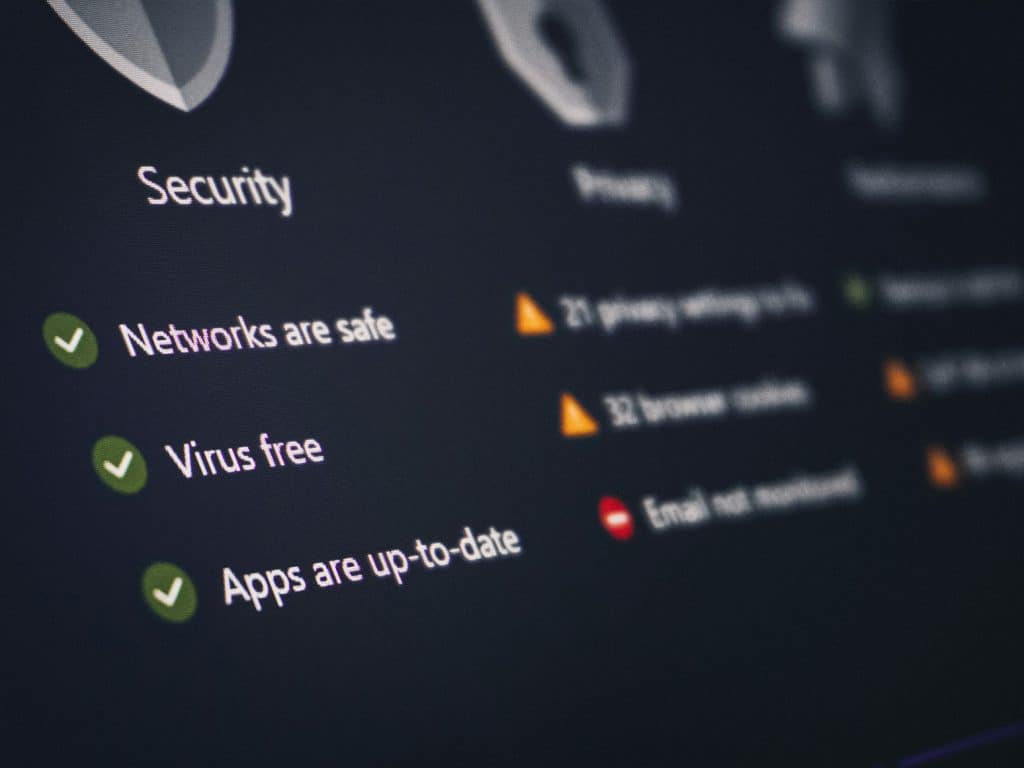
Photo by Joshua Koblin on Unsplash

Leave a Reply

Your email address will not be published. Required fields are marked *

Fill out this field
Fill out this field
Please enter a valid email address.

When to Consider Upgrading Your WiFi Equipment
You may also like
When to Consider Upgrading Your WiFi Equipment
Read This Before You Install the Latest Windows Update
whole-home wifi
Whole-Home WiFi Guarantees: What They Mean, And What They Don’t

You cannot copy content of this page